
Moving Out With a Pet: What Are They Allowed to Keep?
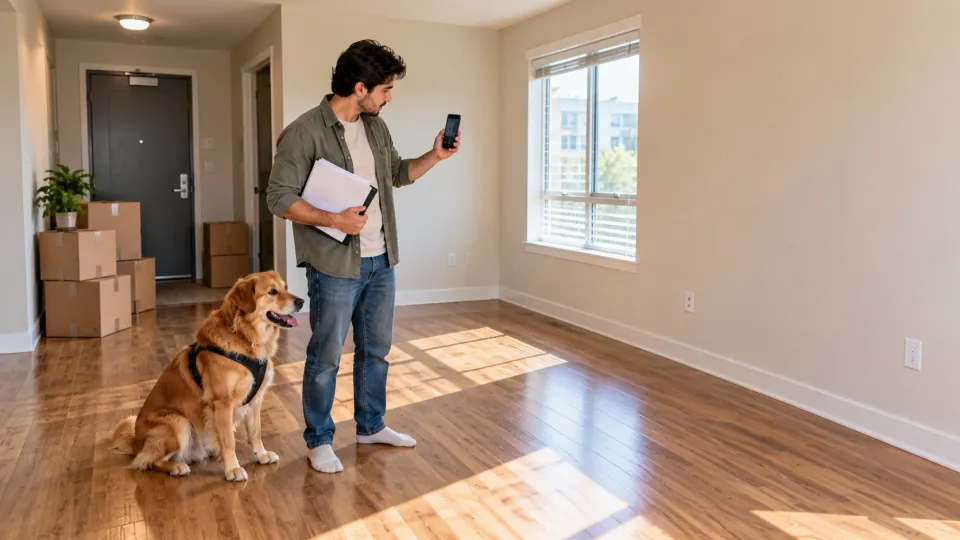
Only one of your three pet charges is ever in play at move-out. The one-time fee was never coming back and the pet rent was never coming back, so the entire question is the deposit. Two things govern what happens to it: landlords generally must provide a written, itemized statement of deductions with receipts or estimates rather than simply retaining part of it, and state law sets a deadline for returning it. California is reported at 21 days and New York at 14, and missing that deadline can forfeit the landlord's right to make deductions at all.
Knowing your own state's clock changes your position more than any argument about a stain does.
This is general information, not legal advice. Deposit rules, deadlines and remedies are state law and vary considerably.
Which of your three charges is actually refundable
| Charge | Refundable at move-out | Why |
|---|---|---|
| Pet deposit | Yes, minus documented pet-related damage | Held, not earned |
| Pet fee | No | One-time, non-refundable by definition |
| Pet rent | No | Recurring charge already consumed |
This is the practical payoff of understanding the difference in the first place, which is set out in pet deposit, pet fee and pet rent are three different things. Check your lease for which words it used, because a dispute aimed at a non-refundable fee spends the one window you have on the one charge that was never returnable.
What a landlord must give you, and when
Reported generally across landlord-tenant sources:
An itemized statement. A written list of every deduction, with receipts or estimates. A landlord cannot simply return a reduced amount without explanation.
Within a statutory deadline. Set by state law and varying widely, with California reported at 21 days and New York at 14. Those are two examples showing the range rather than a rule that applies to you.
If the deadline passes with no statement and no deposit, that is significant, and in some states it is more than significant: reported guidance is that missing the deadline can cost the landlord the right to deduct anything.
So find your state's number before you move out, not after. It takes one search of your state's landlord-tenant guidance and it tells you exactly when to follow up and what to say.
The move-out sequence for a pet-occupied unit
In order, and start earlier than feels necessary:
- Find your move-in record. Dated photographs from the day you arrived are the single most valuable document in this process. If you have none, that is a lesson for next time and it makes steps 2 and 3 matter more.
- Remove everything you installed, properly. Adhesive comes off with technique rather than force, and the difference is visible on the wall: the deposit-safe mounting toolkit. Take rugs, pads, films and mounts with you.
- Photograph the empty unit, dated, in the same order and from the same angles as your move-in set.
- Attend the inspection if you are offered one, and take notes of anything raised.
- Confirm your forwarding address in writing, because a statement sent to an address they do not have helps nobody.
- Diary the deadline from your state's rules.
- Request the itemized statement in writing if it has not arrived by then.
If you disagree with a deduction
Keep it factual and keep it in writing.
Ask for the receipts or estimates behind the specific line you dispute. Compare it against your dated move-in photographs. Put the discrepancy in one clear message with the images attached, and reference the date you moved out and the statutory deadline if it is relevant.
If it is not resolved, the routes are your state's tenant advice service, a housing counselor, or small claims court, which is designed for exactly this size of dispute. That is where a general article stops being useful and local guidance takes over.
What this page does not decide
Whether a particular scratch, stain or odor is pet damage or ordinary wear is a physical assessment question, and it is genuinely contested case by case. Reported guidance is that deductions must be for measurable harm beyond normal wear and tear, and where the line falls in your unit is not something this page can adjudicate.
What this page covers is the instrument and the process: which charge is in play, what the landlord must produce, and by when. Those are the parts most renters do not know, and they are the parts that decide most outcomes.
The clause all of this comes from is walked through in the pet clause in your lease, line by line, and if you are moving out because a renewal changed the terms, that situation is in renewal, new management, and when a verbal yes stops holding.
FAQ
Is a pet deposit refundable when I move out? Generally yes, minus documented deductions for pet-related damage beyond ordinary wear and tear. A pet fee and pet rent are not refundable at any point.
Does my landlord have to itemize deductions? Reported guidance is that a written statement listing each deduction, with receipts or estimates, is required, and that a landlord cannot simply retain part of a deposit without accounting for it.
How long does a landlord have to return a pet deposit? It is set by state law and varies. California is reported at 21 days and New York at 14. Check your own state, because in some places missing the deadline forfeits the right to deduct anything.
Can they charge me for a smell? Odor beyond normal wear can be treated as damage, and it is one of the more contested categories. Dated move-in and move-out photographs, and the itemized statement with its receipts, are what the argument turns on.
What if the damage costs more than the deposit? A landlord can generally pursue the balance beyond the deposit. That is a reason to remove installations carefully and to document the unit's condition at both ends of the tenancy.



Comments ()