
Do Ultrasonic Bark Devices Work in an Apartment?
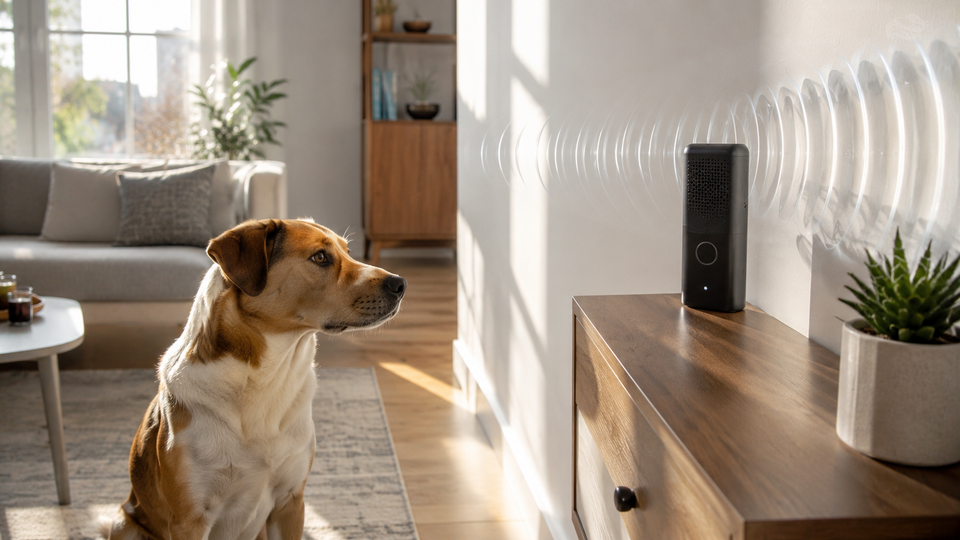
Ultrasonic bark control devices are marketed directly at apartment dwellers, on the promise that a small plug-in or standalone unit can quiet a barking dog before a neighbor complains. The honest answer is that the evidence is genuinely mixed: these devices can work better indoors than outdoors, because the high-frequency tone bounces off walls in an enclosed room instead of dissipating, but veterinary sources and consumer testing both report results that vary widely by dog, and some dogs habituate to the sound and stop responding within weeks.
That tension, real advantages in an enclosed space set against real skepticism from veterinarians, is the part most product listings leave out.
How these devices are supposed to work
An ultrasonic bark control device emits a high-frequency tone, generally in a range above what a human ear picks up but audible and unpleasant to a dog, when it detects the sound or vibration pattern of barking. The idea is that the tone interrupts the barking in the moment, the same way a loud noise startles a person mid-sentence, without physical contact and without the tone being audible to the humans in the room.
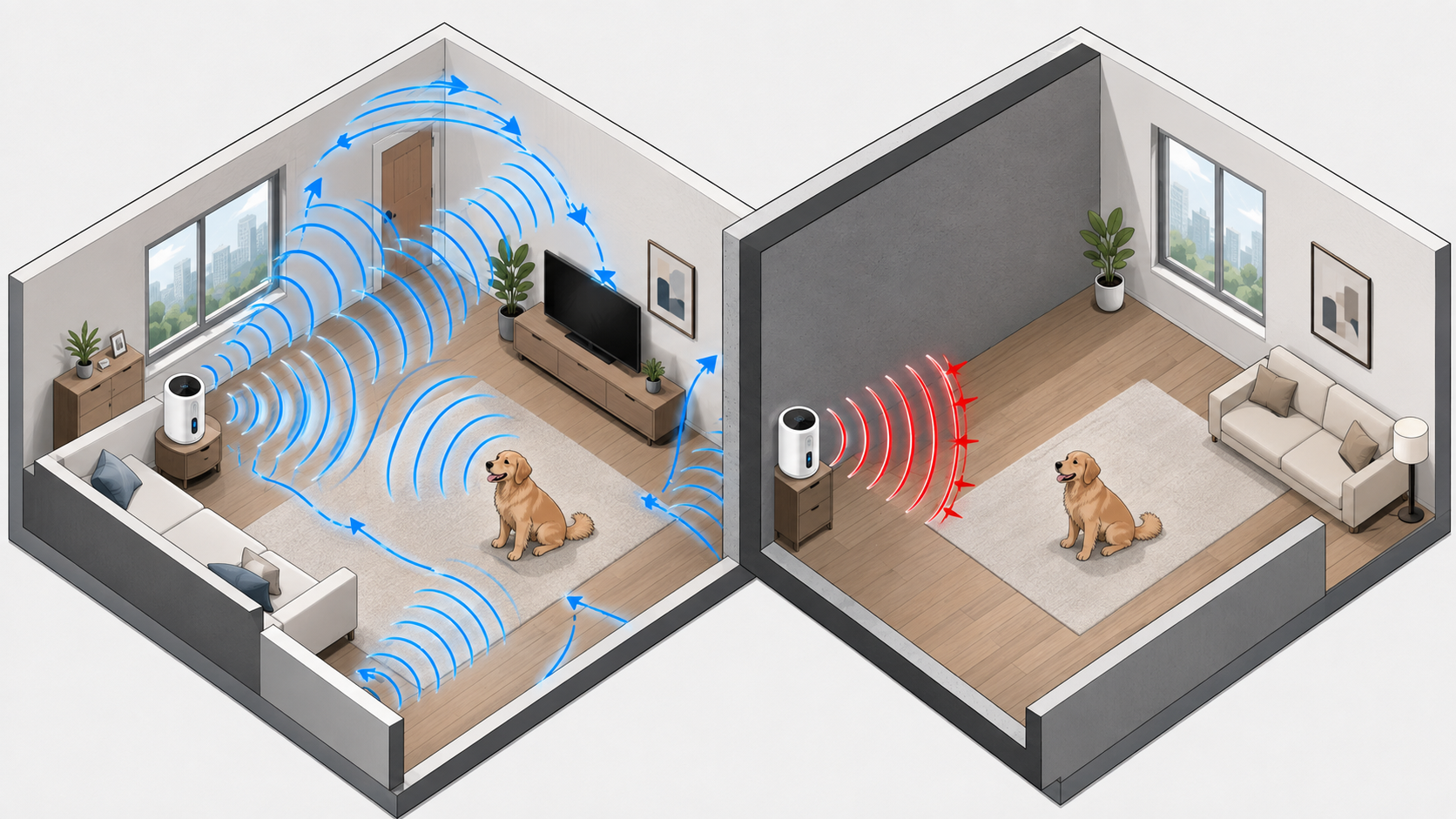
Manufacturers and several reviewers report that indoor use in an apartment has a real advantage over outdoor use: in an enclosed space, the ultrasonic tone reflects off walls and reaches the dog from multiple directions, whereas outdoors it dissipates quickly and loses effectiveness at a distance. For an apartment, where the dog and the device are typically in the same room or an adjoining one, that's a genuinely favorable use case compared to the device's original outdoor marketing.
What the evidence actually shows, including the skeptical part
Consumer product investigations have tested these devices with mixed results in practice. In one such test, an outdoor bark control unit appeared effective at some moments and had no visible effect at others, with the reviewers noting that results seemed to depend heavily on the individual dog and the specific circumstances.
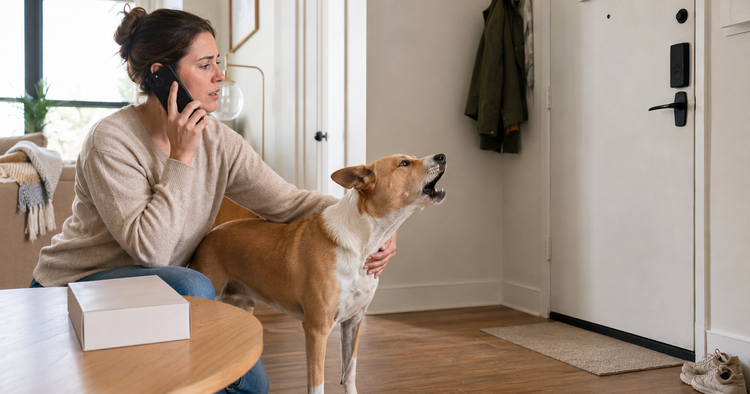
Veterinary sources add a further caveat that matters for anyone considering one of these devices: an ultrasonic tone can interrupt the barking in the moment, but it does not address whatever is prompting the barking in the first place. If a dog barks from anxiety, boredom, or a trigger it can see or hear, the device may reduce the behavior temporarily without changing the underlying cause, and some dogs adapt to the sound over time and stop responding to it altogether.
None of this means the devices never work. It means the honest expectation is a tool that may reduce a specific barking episode, not a guaranteed or permanent fix, and that expectation should shape whether it's worth the purchase.
Training your own dog vs a device aimed at a neighbor's
There are two genuinely different situations that get lumped together in most marketing for these devices, and the physics and the ethics of each are different.
Using a device on your own dog, indoors, as a training aid is the scenario the product is designed for. The device and the dog are in the same space, the tone is calibrated for that range, and you have full context for whether it's helping or not.
Aiming a device at a neighbor's dog through a wall is a different scenario entirely. Ultrasonic frequencies do not travel through walls, closed doors, or windows the way audible barking does; a device meant to affect a dog on the other side of a shared wall is working against physics it was never designed to overcome, in addition to raising a fairness question about deploying it toward an animal you don't own or supervise. If a neighbor's dog is the actual source of the noise problem, a device aimed through the wall is not the effective or appropriate response. The legal exposure that comes with doing it anyway, and what to do instead, is covered in pointing an ultrasonic device at a neighbor's dog: where the line is.
What actually gets loud, and where placement matters
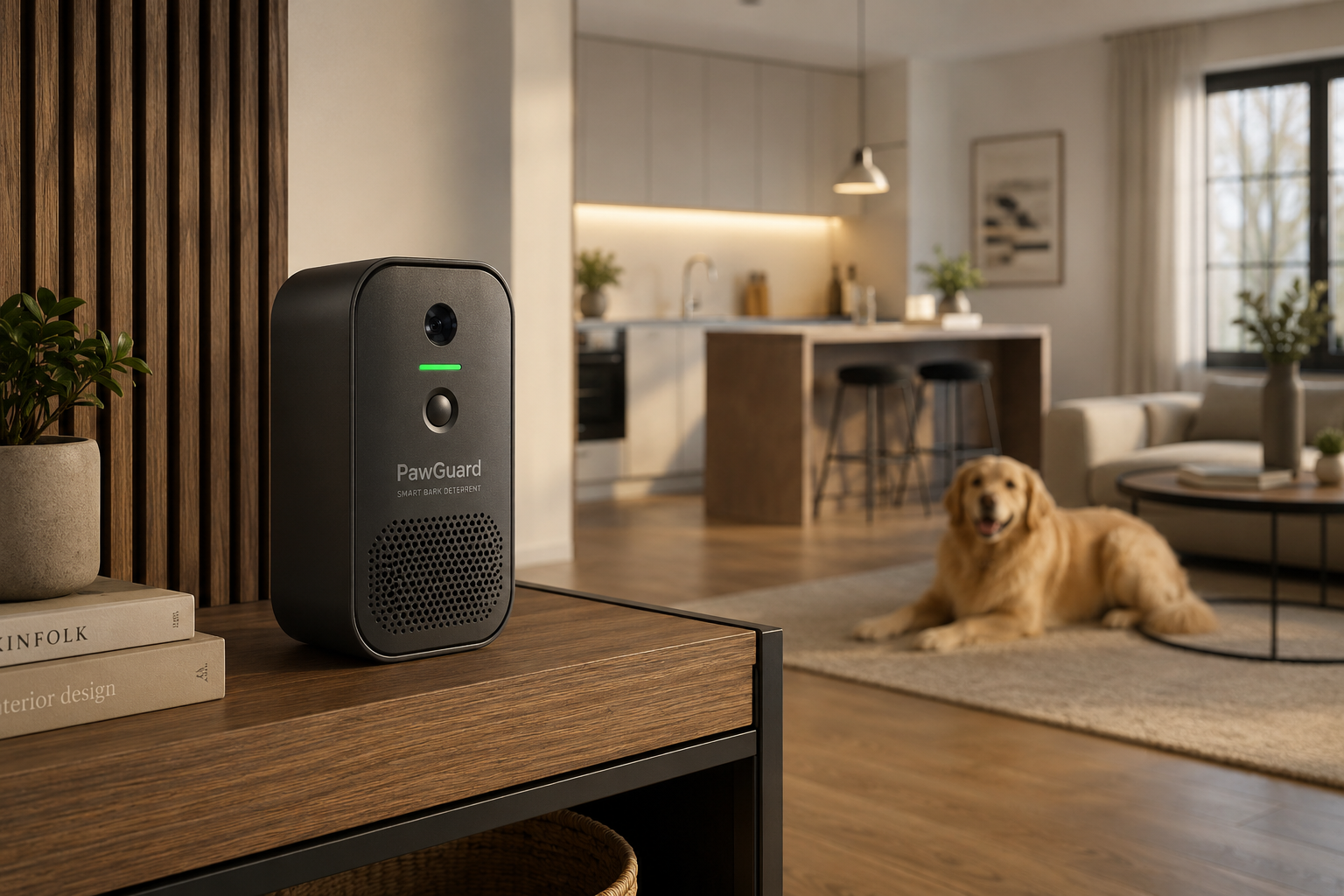
Because the tone only works within a limited range and needs a relatively direct line to the dog, placement inside the apartment matters more than most buyers expect. A unit positioned across a large open-plan room, or with furniture between it and where the dog spends most of its time, is working with a fraction of its intended range regardless of what the packaging states. A studio or one-bedroom apartment, ironically, is closer to the device's ideal use case than a larger house, simply because the dog is rarely far from wherever the unit sits.
Households where these devices are a weaker fit
Multiple dogs in the same space is a scenario worth flagging honestly: with more than one dog, it becomes harder to tell which dog is responding to the tone and which isn't, and a tone calibrated to interrupt one dog's barking pattern may have no effect on another. If barking is a persistent, daily issue rather than an occasional one, and especially if more than one dog is involved, a device alone is unlikely to be the whole answer.
When a device isn't the right tool

If barking continues despite consistent use of a device, or if it's paired with other signs of distress, like pacing, destructive behavior, or refusing to settle when left alone, that's a signal the underlying cause needs more attention than a deterrent device can provide. At that point, a veterinarian or a certified dog trainer is better positioned to identify what's actually driving the behavior than any piece of hardware, regardless of how it's marketed. Which professional to approach, what each one can and cannot do, and how to read the credentials in a field where "behaviorist" is not a protected title, is set out in when the answer isn't a device: getting a trainer or a vet involved.
Where this fits with the rest of your buying decisions
An ultrasonic device is one example of a broader category: apartment pet tech that promises to solve a problem with a purchase. The same questions apply to every device in that category, not just this one: does it fit a one-outlet apartment, is it reversible enough not to risk a deposit, and does the evidence actually support what it claims. That evaluation framework is laid out in full at which pet devices actually earn apartment space and power.
The physics question at the center of this device, why a tone that works well in an enclosed room doesn't carry through a wall the way audible barking does, is part of a larger pattern covered in how noise actually travels through an apartment, and the broader picture of what a shared wall actually transmits is at pet noise in an apartment: what neighbors actually hear.
FAQ
Do ultrasonic bark control devices actually stop barking? The evidence is mixed rather than conclusive. Some dogs respond consistently, some respond inconsistently depending on the situation, and some habituate to the tone over weeks and stop responding at all. Treat it as a device that may reduce a specific barking episode, not a guaranteed fix.
Can I point an ultrasonic device at my neighbor's dog through the wall? No, and not just for ethical reasons. Ultrasonic frequencies do not pass through walls, closed doors, or windows the way audible sound does, so a device aimed at a dog you don't own and can't see is working against physics it wasn't designed to overcome, in addition to being deployed toward an animal without its owner's knowledge or consent.
Are ultrasonic devices safe for dogs? They're designed to be uncomfortable rather than harmful, similar in principle to a loud noise startling a person, without physical contact. That said, a dog that shows ongoing distress, not just interrupted barking, in response to a device is a signal to stop using it and involve a veterinarian rather than continuing.
Do these devices work better in an apartment than in a house? Indoor, enclosed spaces do appear to have an advantage for these devices compared to outdoor use, because the tone reflects off walls instead of dissipating into open air. That's a genuine point in favor of apartment use, though it doesn't override the variability in how individual dogs respond.
What should I try if an ultrasonic device isn't working? If barking continues despite consistent use, or is paired with other signs of distress like pacing or destructive behavior, a device is unlikely to be the complete answer. A veterinarian or certified trainer can help identify what's actually driving the behavior, which is a more durable fix than any deterrent hardware.
Comments ()